England Completes World's Longest Coastal Walking Path
After nearly two decades of development, England has completed the world's longest continuous coastal walking path, stretching 2,700 miles around the entire English shoreline from Cumbria to Kent. The...
England Completes World's Longest Coastal Walking Path
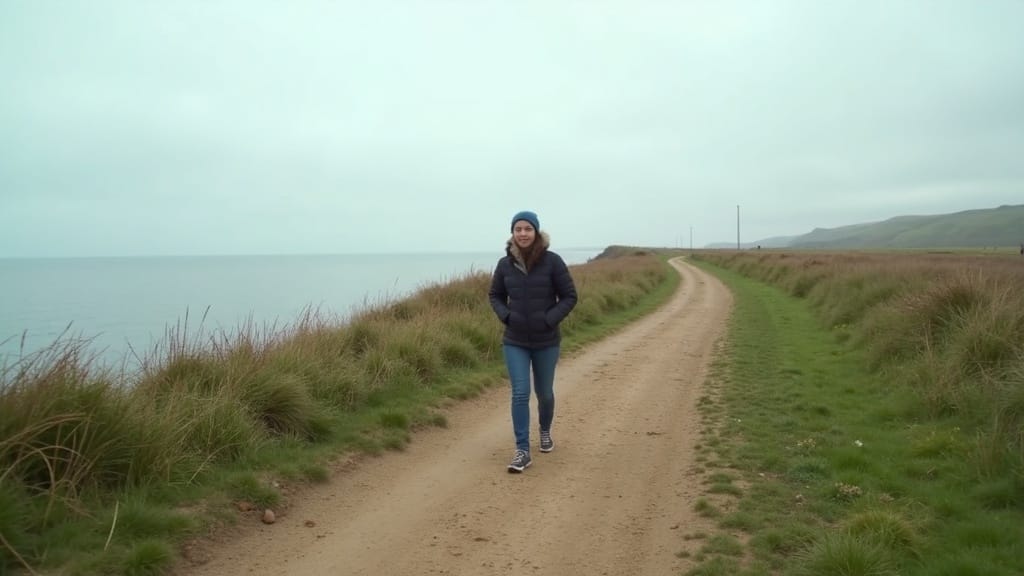
After nearly two decades of development, England has completed the world's longest continuous coastal walking path, stretching 2,700 miles around the entire English shoreline from Cumbria to Kent. The King Charles III England Coast Path, which officially opened this week, represents a major victory for public access campaigners and provides unprecedented recreational access to England's dramatic and diverse coastline.
The path connects beaches, seaside towns, cliffs, and national parks in an unbroken route that allows walkers to circumnavigate the entire country while staying within sight of the sea. For a nation where only 8% of countryside is publicly accessible—among the lowest rates in Europe—the coast path represents a transformative expansion of outdoor access rights.
Development required negotiating with thousands of private landowners, building new bridges and boardwalks, and carefully balancing environmental protection with public access. The final sections completed this year include sensitive areas where rare seabirds nest and areas of outstanding natural beauty that required extensive consultation.
The path offers more than recreational benefits. Research consistently shows that coastal environments provide significant mental health benefits, with the combination of fresh air, physical activity, and natural beauty proven to reduce stress, anxiety, and depression. The path's completion comes as public health officials increasingly recognize nature access as essential infrastructure for community wellbeing.
Economic benefits for coastal communities are already evident in pilot sections, with walkers supporting local businesses including accommodations, restaurants, and equipment suppliers. The path connects previously isolated coastal villages to walking tourism networks that can provide year-round economic activity.