Denmark Reaches 88% Clean Energy Milestone After Two-Decade Transformation
Latest news: Denmark Reaches 88% Clean Energy Milestone After Two-Decade Transformation
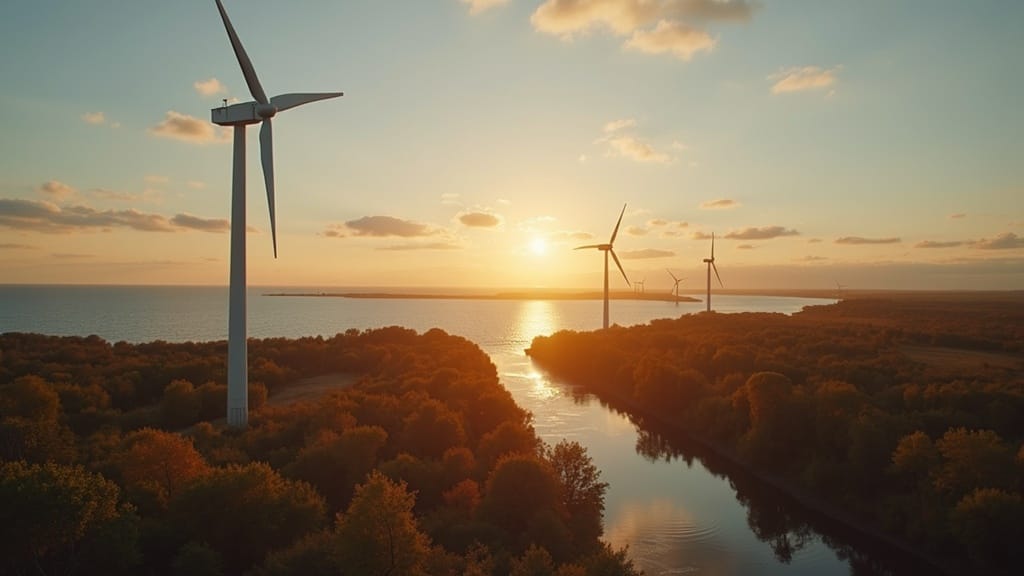
Denmark has achieved a remarkable milestone that proves ambitious clean energy transitions are not only possible but profitable: the nation now generates 88% of its electricity from clean sources, marking the culmination of a systematic two-decade transformation that began when renewables provided just 16% of power in 2000.
This isn't a story about lucky geography or abundant resources — it's about sustained political commitment, smart policy design, and the patience to build a clean energy economy step by step. Denmark's achievement represents the largest consistent growth in clean energy generation among developed nations, providing a concrete roadmap for countries worldwide grappling with their own energy transitions.
The transformation centered on wind power, leveraging Denmark's North Sea coastline and consistent winds. But success came through more than just natural advantages. The government implemented feed-in tariffs that guaranteed long-term revenue for renewable energy producers, creating investment certainty that attracted both domestic and international capital to Danish wind projects.
Equally important was Denmark's approach to grid integration. Rather than treating renewables as an addition to traditional power systems, Danish engineers redesigned their electrical grid to accommodate variable wind and solar generation, investing in smart grid technology and energy storage systems that ensure reliable power delivery even when wind conditions fluctuate.
The economic benefits have been substantial. Denmark has become a global leader in wind turbine manufacturing, with companies like Vestas and Ørsted dominating international markets. The clean energy transition has created tens of thousands of jobs while establishing Denmark as a technology exporter, turning environmental leadership into economic advantage.
For other nations watching from the sidelines of energy transition, Denmark's success demolishes common objections to renewable energy adoption. The country maintains grid stability at 88% renewable generation, proving that variable energy sources can reliably power modern economies. Their experience provides practical lessons for grid management, policy design, and industrial strategy.
Perhaps most importantly, Denmark achieved this transformation while maintaining high living standards and industrial competitiveness. The transition didn't require economic sacrifice — it enabled economic growth in new sectors while reducing dependence on volatile fossil fuel imports.
Key Facts
- Clean energy generation rose from 16% (2000) to 88% (2024) (EMBER Yearly Electricity Data)
- Largest consistent growth rate among developed nations
- Wind power provides majority of electricity generation
- Danish wind companies control significant global market share
- Grid maintains stability despite high renewable penetration
Published by The Bright Side — delivering solutions-focused journalism