The Standing Rocks
Chiricahua National Monument became the 64th US national park on 20 October 2026. The boundary did not grow. The law does write in tribal access to cultural sites.
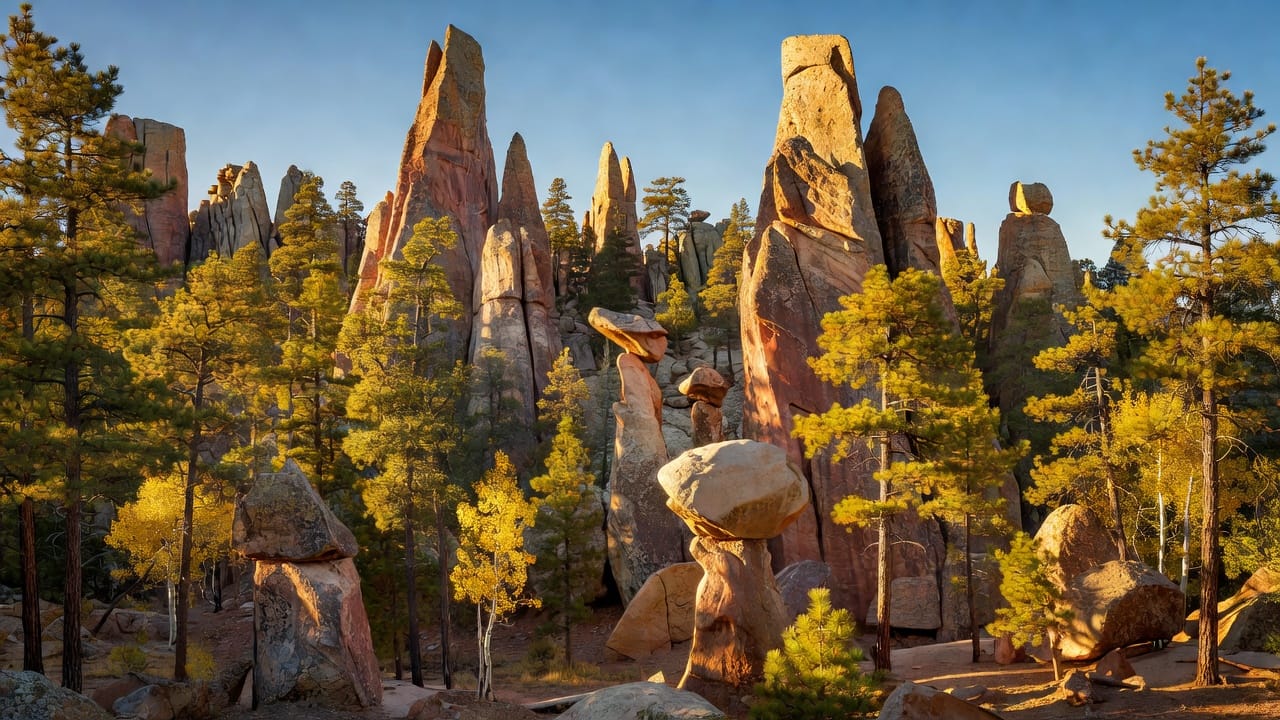
Chiricahua is a national park. The acres did not change. The access rule did.
On 20 October 2026 the Chiricahua National Park Act became Public Law 119-133. Chiricahua National Monument, set aside by Calvin Coolidge in 1924, is now the 64th national park of the United States, the first since New River Gorge in 2020. President Donald Trump signed the bill. Representative Juan Ciscomani of Arizona sponsored it.
The park is about 12,000 acres in southeastern Arizona, roughly two hours from Tucson. The spires are rhyolite from an eruption about 27 million years ago. The forest is a sky island. The land is the homeland of the Chiricahua Apache.
The statute does more than change the sign. It directs the National Park Service to protect traditional cultural and religious sites, and to give tribal members access for customary use. A tribe may ask for a temporary closure of the smallest practicable area, for the shortest necessary time, so that use can happen without a crowd. Interior secretary Doug Burgum said the new name would bring more visitors. The boundary did not move on signing day.
Key Facts
- Public Law 119-133, signed 20 October 2026
- 64th US national park; first new national park since New River Gorge in 2020
- About 12,000 acres; a monument since 1924
- Statutory protection of traditional sites and tribal access, including limited closure authority
- Department of the Interior announcement, 21 October 2026
Why This Matters
A rename can be a press release. The access clause is a rule. The park has to keep a door open for the people whose homeland the spires are, and it has a mechanism to close a patch of ground, briefly, so that use is not a performance for visitors.
What We Don't Know Yet
Whether visitation rises, and whether any tribe has used the closure power. No new acres were added. A designation does not, by itself, fund a ranger or a road.