Chemical Recycling Breakthrough for Mixed Textile Waste
A new chemical recycling process can separate cotton and polyester in mixed textiles, potentially transforming fashion's waste problem with 75-78% recovery rates.
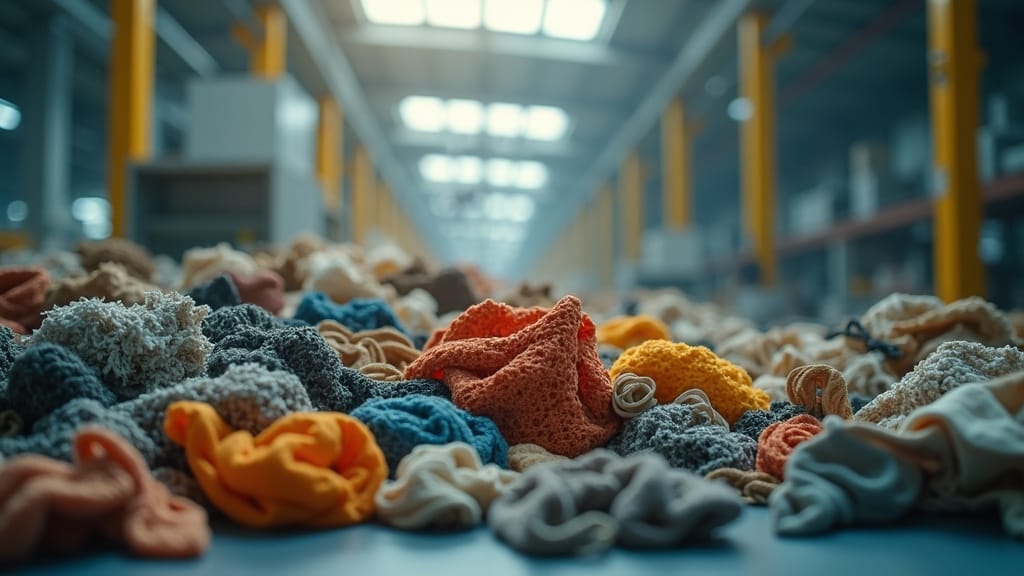
Fashion's waste problem may have met its match. Researchers at Avantium and the University of Amsterdam have developed a breakthrough recycling process that can separate cotton and polyester in mixed-waste textiles — something previously considered economically impossible.
The process uses highly concentrated hydrochloric acid at room temperature to achieve 75% recovery of cotton as glucose and 78% recovery of polyester monomers. A demonstration plant launches in 2026 with commercial operations targeting 100,000 tons annually by decade's end.
This matters because only 8% of fibers are currently made from recycled sources. The barrier hasn't been lack of will — it's that blended textiles (most modern clothing) are extremely difficult to separate. This breakthrough could transform the textile industry's environmental impact as Extended Producer Responsibility regulations expand globally.
Key Facts
- 75% recovery of cotton as glucose - 78% recovery of polyester monomers - Demonstration plant: 2026 launch - Target: 100,000 tons annually by 2030 - Only 8% of fibers currently from recycled sources - Source: Nature Communications, CAS Insights
Why This Matters
The fashion industry generates ~10% of global carbon emissions and massive textile waste. "Fast fashion" has accelerated consumption while recycling infrastructure lagged. Mixed fiber garments (cotton-polyester blends) are particularly problematic — mechanical recycling destroys one or both fibers. Chemical recycling offers a pathway to true circularity.
What We Don't Know Yet
- Hydrochloric acid use raises safety and environmental handling concerns - 75-78% recovery leaves significant waste - Commercial scale-up unproven - Cost competitiveness with virgin materials unknown - Doesn't address overconsumption — recycling alone can't solve fashion waste