Cambodia Farmer Association Reduces Poverty by 39% Through Community-Led Initiative
Cambodia Farmer Association Reduces Poverty by 39% Through Community-Led Initiative - Latest insights from The Bright Side
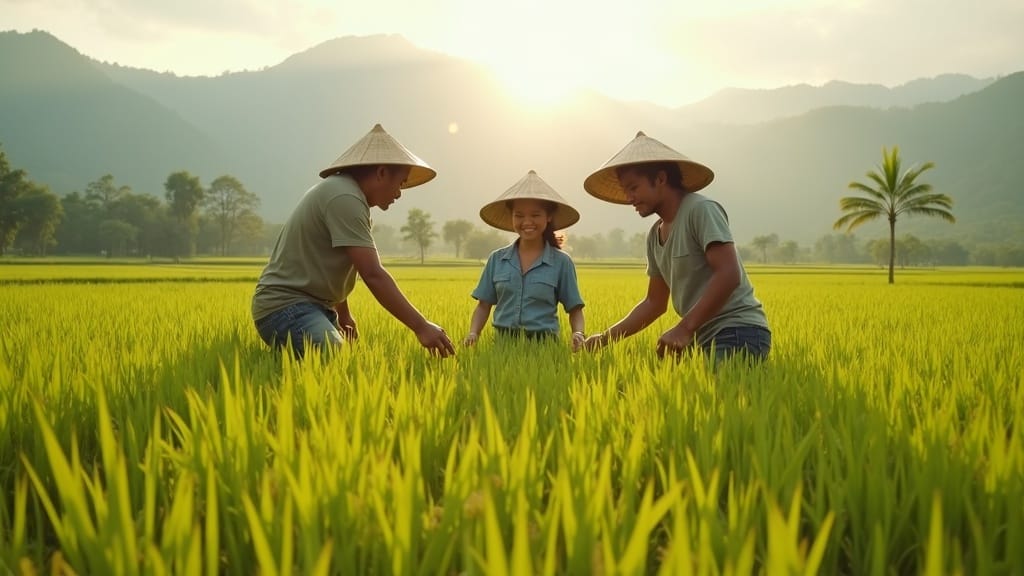
Cambodia Farmer Association Reduces Poverty by 39% Through Community-Led Initiative
In the fertile plains around Cambodia's Tonle Sap basin, a quiet revolution has been unfolding. What began as modest $240 household grants has evolved into Cambodia's largest farmer association, with over $20 million in revolving capital and a track record that challenges conventional assumptions about poverty reduction and development aid.
The Farmers Livelihood Improvement Association (FLIA) has achieved something remarkable: a 39% reduction in poverty among member households between 2017 and 2024, while building a sustainable, community-owned financial system that operates independently of external donors. More than 25,000 farmers have been trained in climate-smart agriculture techniques, creating resilience in a region particularly vulnerable to climate change.
The model is elegantly simple yet revolutionary in its implications. Rather than creating dependency on external aid, FLIA established revolving credit funds owned and managed by the farmers themselves. Initial grants were deliberately small — enough to make a difference but not enough to create expectations of continued handouts.
Why This Matters
Cambodia's rural economy has faced persistent challenges since the country emerged from decades of conflict. Despite overall economic growth, rural poverty remained entrenched, with limited access to credit, markets, and agricultural training. Traditional development approaches often created temporary improvements that faded when external funding ended.
What We Don't Know Yet
Several factors limit the universal applicability of the FLIA model. The community must have sufficient social cohesion to support collective decision-making and peer accountability. In regions with high conflict or social fragmentation, this approach may not work without additional community-building efforts.
Published February 27, 2026 · Category: Community & Society