California Condor Population Reaches 500
From 27 birds to 500 — one of conservation's greatest comeback stories
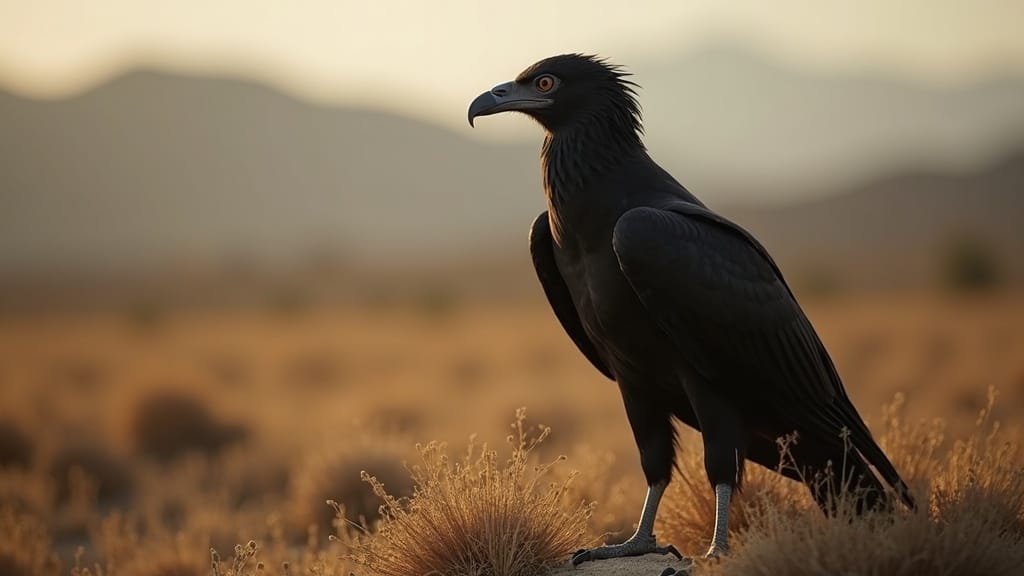
In 1982, the California condor was functionally extinct in the wild. Just 27 individuals remained, all in captivity. The largest land bird in North America, with a wingspan approaching three metres, was about to vanish entirely.
Today, there are over 500 California condors. More than half — over 300 birds — are flying free across California, Arizona, and Baja California. The species that once seemed destined for museum displays alone is now breeding in the wild, raising chicks on remote cliff faces as their ancestors did for millennia.
This is one of conservation's greatest achievements. It required capturing every remaining wild bird (a controversial decision at the time), decades of careful captive breeding, managing the genetic diversity of a tiny population, reintroduction efforts, and ongoing management including providing lead-free carcasses (lead poisoning from ammunition remains the leading cause of death).
Key Facts
- 1982 population: 27 individuals (all in captivity)
- 2026 population: 500+ individuals
- Wild population: 300+ flying free
- Wingspan: Up to 3 metres (9.8 feet)
- Lifespan: Up to 60 years in the wild
- Primary threat: Lead poisoning from ingested ammunition fragments
- Source: US Fish & Wildlife Service, AZA
Why This Matters
This represents significant progress in environment & climate. The implications extend beyond the immediate story, suggesting broader shifts in how we approach challenges in this field. For individuals and communities affected, these developments offer tangible hope and practical benefits that could reshape their futures.
What We Don't Know Yet
As with any emerging development, important questions remain unanswered. Long-term outcomes still need to be established, and the full scope of impact across different populations requires further study. We will continue to monitor this story as more information becomes available.
Published 2026-04-20 · Category: Environment & Climate