Brazil's Grid Reaches 84.6% Renewable Energy
Brazil's electricity grid reaches 84.6% renewable energy, with solar and wind supplying 25% of generation, demonstrating clean energy growth in a developing economy.
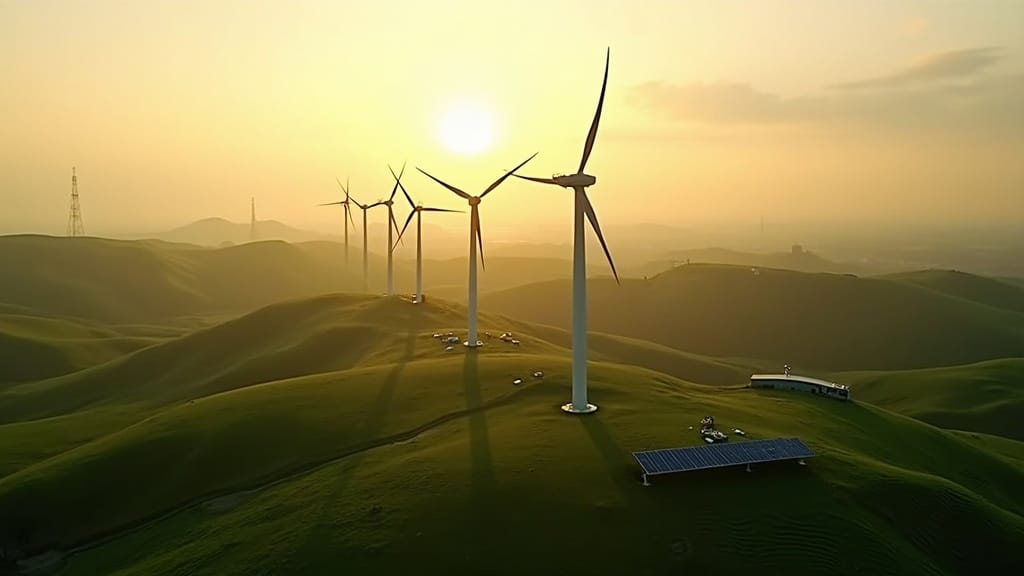
Brazil's electricity grid is now 84.6% renewable, with solar and wind together supplying nearly 25% of national generation. Solar capacity surpassed 68 GW by early 2026, making Brazil one of the world's cleanest large-power systems.
As a large developing economy, Brazil demonstrates that economic growth and clean energy can go hand in hand. This provides a model for other emerging economies that may have assumed fossil fuels were necessary for development.
Brazil's renewable dominance builds on long-standing hydropower infrastructure, but the recent growth has come from solar and wind. This diversification makes the grid more resilient to droughts that can affect hydroelectric output.
Key Facts
- Brazil grid: 84.6% renewable electricity
- Solar + wind: ~25% of national generation
- Solar capacity: >68 GW by early 2026
- Source: Rio Times Online, IEA Global Energy Review 2026
Why This Matters
Brazil has historically relied on hydropower for the majority of its electricity. While hydro is renewable, it creates vulnerabilities during drought periods. The solar and wind expansion diversifies the generation mix while maintaining clean energy credentials.
As a major economy and significant emitter globally, Brazil's energy choices matter for climate outcomes. The country's success in growing renewables while meeting development needs challenges assumptions about the trade-offs between growth and sustainability.
What We Don't Know Yet
Brazil's high renewable percentage benefits from abundant hydro resources not available to all countries. Deforestation in the Amazon continues, undermining the country's overall environmental credentials. The solar and wind growth relies on manufacturing supply chains concentrated in China. Grid infrastructure requires investment to handle variable renewable sources. Economic pressures could slow the transition if political priorities shift.
Category: Environment & Climate
Published: April 22, 2026