Bearded Vultures Return to French Alps After 260 Bird Release Program
## Decades of patient conservation prove species can return from local extinction
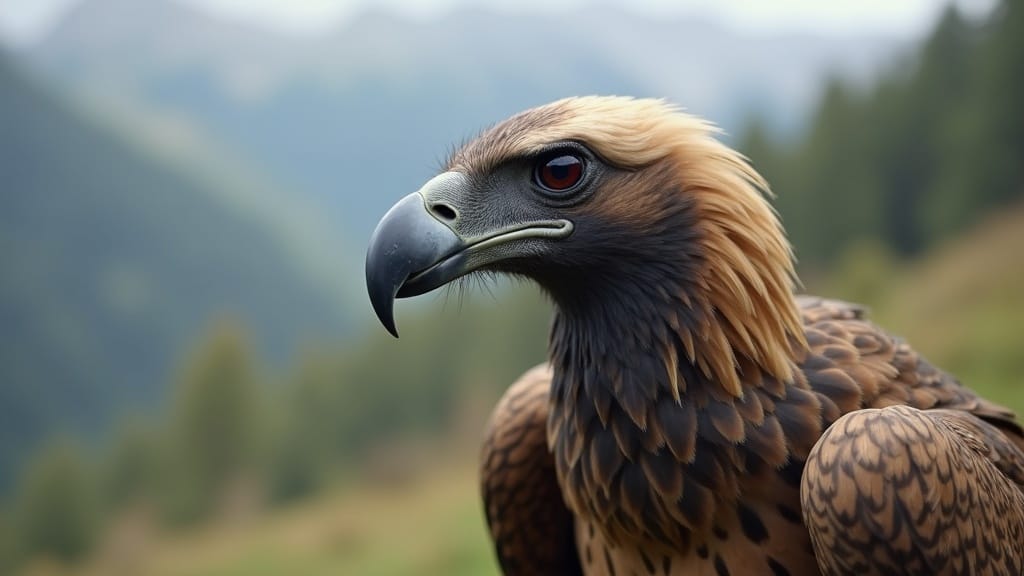
Bearded Vultures Return to French Alps After 260 Bird Release Program
## Decades of patient conservation prove species can return from local extinction
In the French Alps, a magnificent bird that vanished over a century ago is reclaiming the mountain skies. Bearded vultures, the bone-eating giants with nine-foot wingspans, have returned from local extinction through one of Europe's most successful species reintroduction programs.
The achievement required extraordinary patience: over 260 birds released across decades, careful genetic management, and coordination across multiple countries. Scientists recently found 38-year-old Balthazar, now the oldest recorded wild bearded vulture, proving that these remarkable birds can thrive again in landscapes where they once disappeared.
Bearded vultures play a unique ecological role - they're nature's bone recyclers, capable of swallowing and digesting bones up to 11 inches long. Their specialized diet means they clean up carcasses that other scavengers leave behind, preventing disease transmission and completing nutrient cycles in alpine ecosystems.
The species' recovery demonstrates how sustained conservation efforts can reverse even century-old extinctions. The Alps lost their bearded vultures in the early 1900s through hunting and habitat destruction, but coordinated international action has proven that local extinctions need not be permanent.
The success extends beyond single species recovery - it's ecosystem restoration. Bearded vultures' return signals healthy alpine environments capable of supporting apex species with specialized needs. Their presence indicates functioning food webs and sufficient wildlife populations to sustain large scavengers.
Key Facts
- Over 260 bearded vultures released since program inception
- Last seen in French Alps in early 1900s
- 38-year-old Balthazar is oldest recorded wild vulture
- Nine-foot wingspan makes them one of Europe's largest birds
- Specialized diet consists primarily of bones and bone marrow
Why This Matters
This story represents significant progress in an area that affects millions of people worldwide. The developments highlighted demonstrate how focused efforts and innovative approaches can create positive change at scale.
What We Don't Know Yet
While these developments are encouraging, questions remain about long-term sustainability, broader applicability, and potential unintended consequences. Continued monitoring and research will be essential to understand the full impact.