Bangladeshi Children Born in Brothels Gain Official Recognition
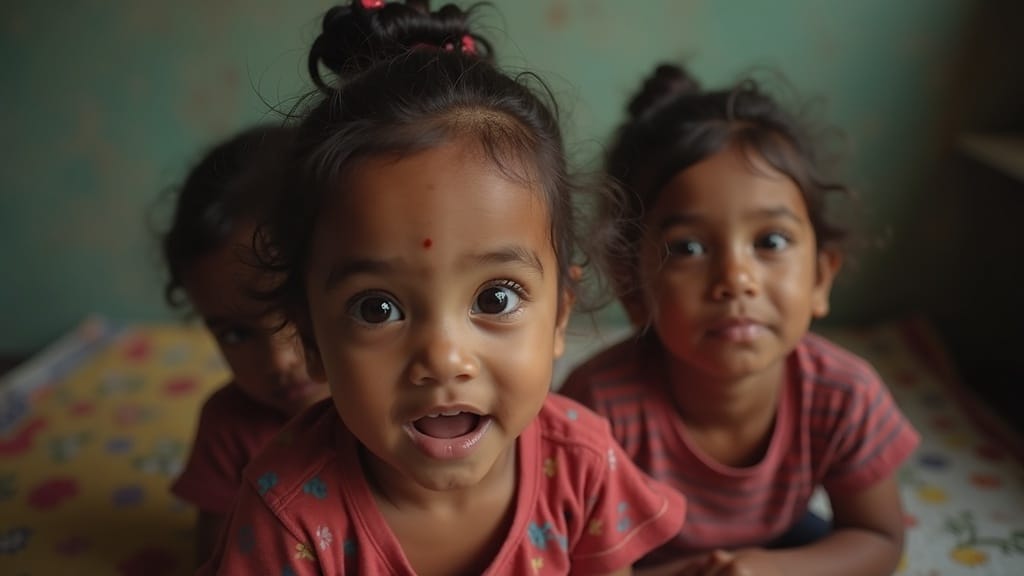
More than 700 children born in Bangladesh's brothels and on its streets now have something that was previously impossible: official recognition of their existence. Human rights campaigners discovered an overlooked legal stipulation that allows birth registration without parental information, transforming the life prospects of some of the country's most vulnerable children.
These birth certificates represent far more than paperwork—they're keys to education, healthcare, and protection from trafficking. Without official documentation, children born in brothels existed in legal limbo, unable to attend school, receive medical care, or prove their age to authorities. Many faced exploitation precisely because they had no legal identity to protect.
The breakthrough came from meticulous legal research by advocates who refused to accept that these children were destined for invisibility. They identified existing provisions in Bangladesh's birth registration laws that officials had overlooked or ignored, then worked systematically to ensure proper implementation. The success required building trust with brothel communities, training registration officials, and creating new procedures for documenting children in unconventional circumstances.
This legal victory demonstrates how detailed knowledge of existing law can create systemic change without requiring new legislation. Rather than waiting for parliamentary action, advocates used creative interpretation of current statutes to protect children immediately. The approach could be replicated in other countries where similar legal gaps exist.
The impact extends beyond individual children to entire communities. When children gain legal recognition, families become more likely to engage with health and education services, creating positive cycles that benefit broader neighbourhoods. The success also challenges stigma—officially recognising these children affirms their equal dignity and rights.
Key Facts & Figures
- Children documented: 700+ previously undocumented children
- Breakthrough: Legal stipulation allowing registration without parental information
- Impact: Access to education, healthcare, trafficking protection
- Method: Advocacy through existing law rather than new legislation
- Location: Brothels and streets throughout Bangladesh
Context & Background
Bangladesh has made significant progress in birth registration over the past decade, but children in marginalised communities often remained excluded from these improvements. Brothel-born children faced particular challenges because sex work's legal ambiguity created barriers to accessing standard registration procedures.
The broader context includes Bangladesh's efforts to meet Sustainable Development Goal targets for universal birth registration, which recognises documentation as fundamental to accessing other rights and services. However, standard registration procedures assume conventional family structures and residential stability that don't apply to vulnerable populations.
Limitations & Caveats
While birth certificates provide crucial legal recognition, they don't automatically solve deeper issues of poverty, discrimination, and limited opportunities that affect children born in marginalised communities. Implementation challenges may still exist in some regions where officials are unfamiliar with the new procedures.
The success in Bangladesh may not translate directly to other countries with different legal systems and registration requirements. Sustained advocacy and monitoring will be needed to ensure the new procedures continue functioning effectively as bureaucracies change personnel and priorities.
Sources
- Human rights advocates who led the legal research — methodology and next steps
- Registration officials implementing new procedures — practical challenges and solutions
- Education and health workers — impacts of documentation on service access