'It's About Survival': 700 Children Born in Bangladeshi Brothels Receive Birth Certificates
Over 700 children born in Bangladeshi brothels receive birth certificates for the first time — a breakthrough in children's rights and trafficking prevention.
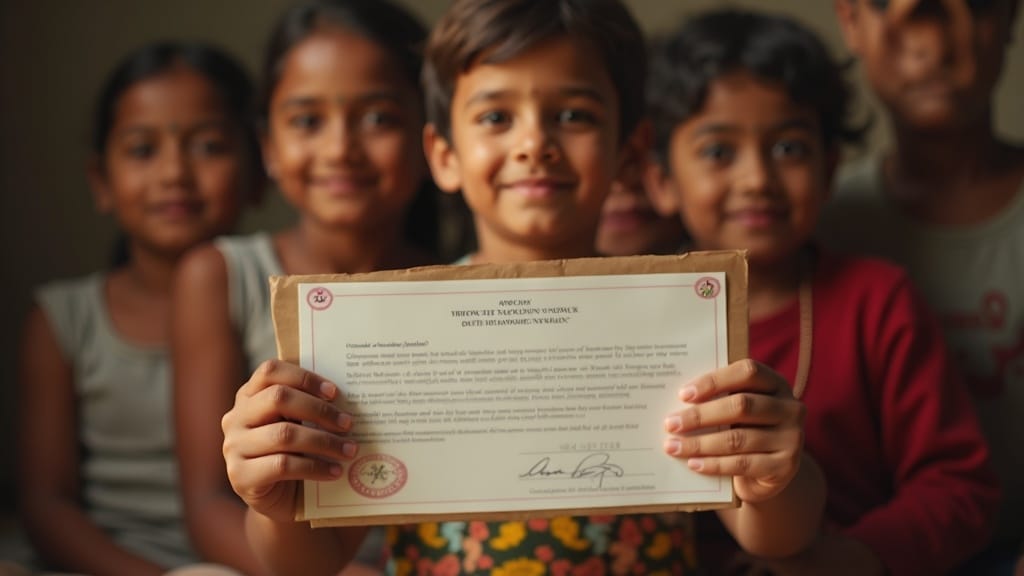
For the children born in Bangladesh's brothels and streets, a piece of paper can mean the difference between invisibility and a future.
More than 700 of these children have now received official birth certificates for the first time — thanks to human rights campaigners who discovered and championed an overlooked legal provision.
Without documentation, these children couldn't attend school, access healthcare, or be protected from trafficking. They existed in a legal void, invisible to the state and vulnerable to exploitation.
The breakthrough came when the Freedom Fund identified a 2018 stipulation in Bangladeshi law that permitted birth registration even without information about the parents. Government officials had not been recognising this provision.
"When I first came to know about this, we massively disseminated this information with our partners," said Khaleda Akhter, Bangladesh programme manager for Freedom Fund. "These documents are not just a tool — it's about survival."
Key Facts
- 700+ children have received birth certificates
- Legal provision existed since 2018 but was not being enforced
- Children previously denied schooling and vulnerable to trafficking
- Led by Freedom Fund and local partners
- Many children born in Daulatdia, one of the world's largest brothels
Why This Matters
This story is about more than paperwork. A birth certificate is the gateway to every other right: education, healthcare, legal protection, employment. For children born into some of the most marginalised circumstances imaginable, official recognition by the state is the first step toward a life with options.
The model is already being replicated in other regions of Bangladesh and could be adapted in countries with similar registration gaps affecting vulnerable children.
What We Don't Know Yet
A birth certificate is a necessary first step, but it doesn't automatically guarantee access to quality education, healthcare, or protection from exploitation. The systemic challenges facing these children — entrenched poverty, social stigma, and the continued operation of the environments they were born into — remain enormous. Long-term outcomes for the 700+ children who received certificates will need to be tracked.
Sources: Positive News · The Guardian
Published 2026-02-20 · Category: Community & Society