Scientists Engineer Bacteria to Eat Cancer Tumors from the Inside Out
Scientists engineer bacteria that hunt and destroy cancer tumors from inside, using synthetic biology to create precision living therapy that targets oxygen-free tumor cores.
Scientists Engineer Bacteria to Eat Cancer Tumors from the Inside Out
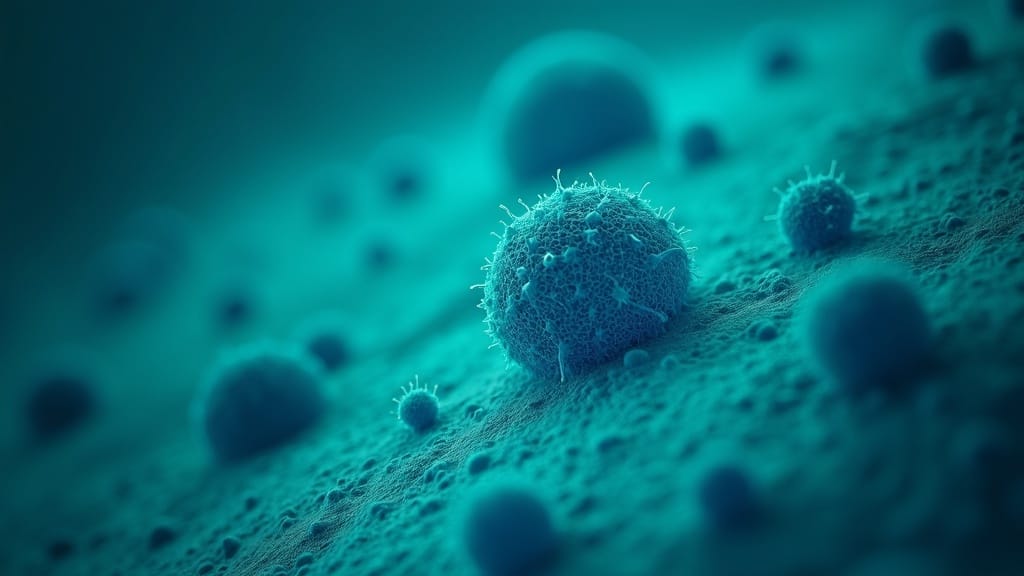
Canadian researchers have achieved what sounds like science fiction: they've engineered bacteria that can hunt down and destroy cancer tumors from the inside out. The team at University of Waterloo has weaponized Clostridium sporogenes, a naturally occurring bacterium that thrives in oxygen-free environments like the cores of solid tumors.
Canadian researchers have achieved what sounds like science fiction: they've engineered bacteria that can hunt down and destroy cancer tumors from the inside out. The team at University of Waterloo has weaponized Clostridium sporogenes, a naturally occurring bacterium that thrives in oxygen-free environments like the cores of solid tumors. The breakthrough lies in precision control. Using synthetic biology circuits and quorum sensing mechanisms, the scientists have created bacteria that only activate their oxygen tolerance when safely nestled inside tumor tissue. This prevents the engineered microbes from spreading to healthy parts of the body — a critical safety feature that addresses one of the biggest concerns with living cancer therapies. This approach targets one of oncology's toughest challenges: reaching the hypoxic (oxygen-starved) cores of solid tumors where traditional treatments struggle to penetrate.
Key Facts
- Bacteria engineered to activate oxygen tolerance only inside oxygen-free tumor cores
- Uses Clostridium sporogenes, naturally attracted to hypoxic environments
- Synthetic biology circuits prevent bacteria from affecting healthy tissue
- Developed at University of Waterloo, Canada
- Could complement existing chemotherapy and radiation treatments
Why This Matters
Cancer treatment has long struggled with the problem of tumor heterogeneity — different parts of tumors respond differently to treatment. The hypoxic cores of solid tumors are particularly resistant to conventional therapies, contributing to treatment failure and cancer recurrence.
What We Don't Know Yet
This research is in early stages and hasn't yet progressed to human trials. Questions remain about long-term safety, potential immune responses to the engineered bacteria, and whether the approach will work across different cancer types.
Sources: University of Waterloo Research
Published March 02, 2026 · Category: Health & Medicine