AI Breakthrough Could Free Electric Vehicles from Rare Earth Dependency
AI breakthrough discovers alternatives to controversial rare earth magnets in electric vehicles, potentially eliminating mining dependency for sustainable transportation.
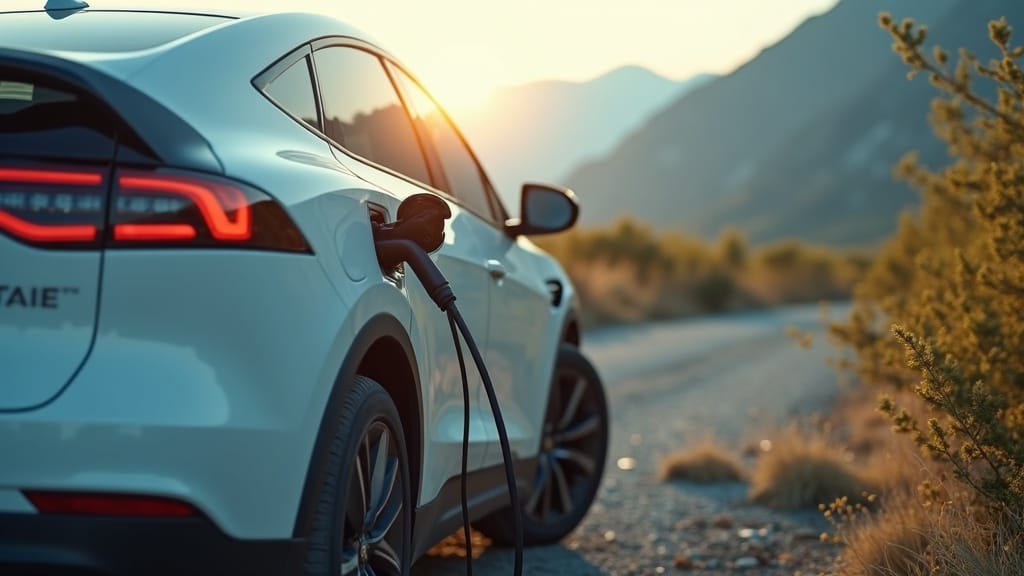
AI Breakthrough Could Free Electric Vehicles from Rare Earth Dependency
Machine learning discovers alternatives to controversial mining for green technology
Electric vehicles represent our best hope for reducing transportation emissions, but they harbor a dirty secret: their powerful magnets rely on rare earth elements extracted through environmentally destructive mining operations, often in geopolitically sensitive regions. Now, researchers at the University of New Hampshire have used artificial intelligence to discover alternatives that could free EVs from this controversial dependency.
The breakthrough addresses a fundamental contradiction in green technology. While electric vehicles promise cleaner transportation, they depend on permanent magnets made from neodymium and dysprosium — rare earth metals primarily mined in China using processes that can devastate local ecosystems and communities.
Using machine learning algorithms, the research team identified new magnetic materials that could replace rare earth magnets in electric vehicle motors. These alternatives promise similar performance without the environmental and political complications of rare earth mining, potentially making EVs truly sustainable from production to operation.
The discovery comes at a crucial time. As electric vehicle adoption accelerates globally, demand for rare earth magnets is skyrocketing, raising concerns about supply chain security and environmental justice. China currently controls about 80% of global rare earth processing, creating potential vulnerabilities in the transition to clean transportation.
Key Facts
- China controls ~80% of global rare earth element processing
- EV demand could triple rare earth magnet requirements by 2030
- Rare earth mining can produce radioactive waste and toxic pollutants
- AI algorithms screened thousands of potential magnetic material combinations
- Electric vehicle sales expected to reach 30% of global market by 2030
- Neodymium and dysprosium prices have increased 300% since 2020
Why This Matters
This breakthrough represents significant progress in addressing global challenges while offering hope for improved outcomes in human health, environmental protection, and technological advancement.
What We Don't Know Yet
While these findings are promising, important questions remain about long-term effects, scalability, and real-world implementation. Further research and clinical trials will be needed to fully validate these results and determine their practical applications.