AI Blood Test Detects Silent Liver Disease Years Before Symptoms
- AI-powered blood test detects liver disease years before symptoms appear, enabling early intervention to prevent cirrhosis and liver failure.
AI Blood Test Detects Silent Liver Disease Years Before Symptoms
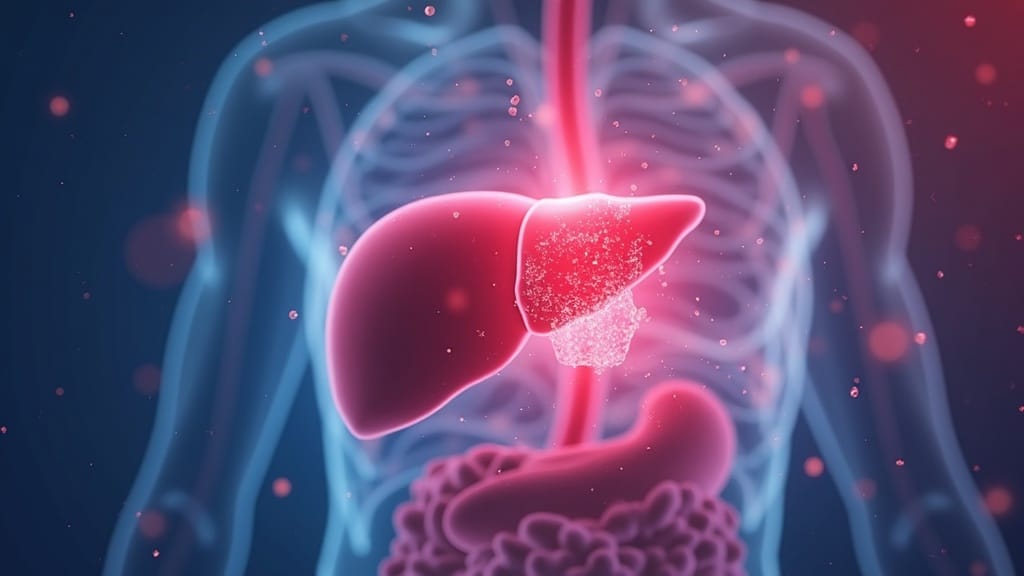
Scientists have developed an AI-powered blood test that can detect liver disease years before symptoms appear, potentially preventing the progression to cirrhosis, liver failure, and the need for transplants. The breakthrough offers the gift of time — allowing patients and doctors to intervene while the liver can still heal itself. Liver disease often progresses silently for years or even decades.
By the time symptoms like fatigue, abdominal pain, or jaundice appear, significant and often irreversible damage has already occurred. Traditional diagnostic approaches rely on symptoms or elevated liver enzymes that indicate damage is already underway. The AI system analyzes patterns in standard blood tests that are invisible to human interpretation, identifying subtle changes that predict liver disease development years in advance. This early warning system could transform liver disease from a condition that's treated after damage occurs to one that's prevented before it begins. For millions at risk from alcohol use, obesity, viral hepatitis, or genetic factors, this technology represents a fundamental shift toward truly preventive healthcare — catching problems at the cellular level before they become irreversible organ damage.
Key Facts
- Detects liver disease years before symptoms appear
- Uses AI analysis of standard blood tests
- Could prevent progression to cirrhosis and liver failure
- Liver disease often progresses silently for decades
- Early detection enables intervention while liver can still heal
Why This Matters
Liver disease affects millions worldwide, often developing from alcohol use, obesity, viral infections, or genetic factors. The liver's remarkable ability to regenerate makes it particularly amenable to early intervention — if problems are caught before extensive scarring occurs. Current diagnostic approaches typically identify liver disease only after enzyme levels rise, indicating cellular damage is already happening. By this point, lifestyle changes and medications may slow progression but cannot reverse existing damage. The silent nature of liver disease progression makes it particularly dangerous. Patients may feel completely healthy while their liver gradually accumulates damage that will eventually lead to serious complications.
What We Don't Know Yet
The AI system requires validation in diverse patient populations and real-world clinical settings. Questions remain about optimal screening frequency, cost-effectiveness, and integration with existing healthcare workflows. False positive results could lead to unnecessary anxiety and medical interventions, while false negatives might provide dangerous false reassurance. The system's accuracy across different demographic groups and liver disease types needs thorough testing.